
Sell A Divorce Home Without Turning It Into Another Project
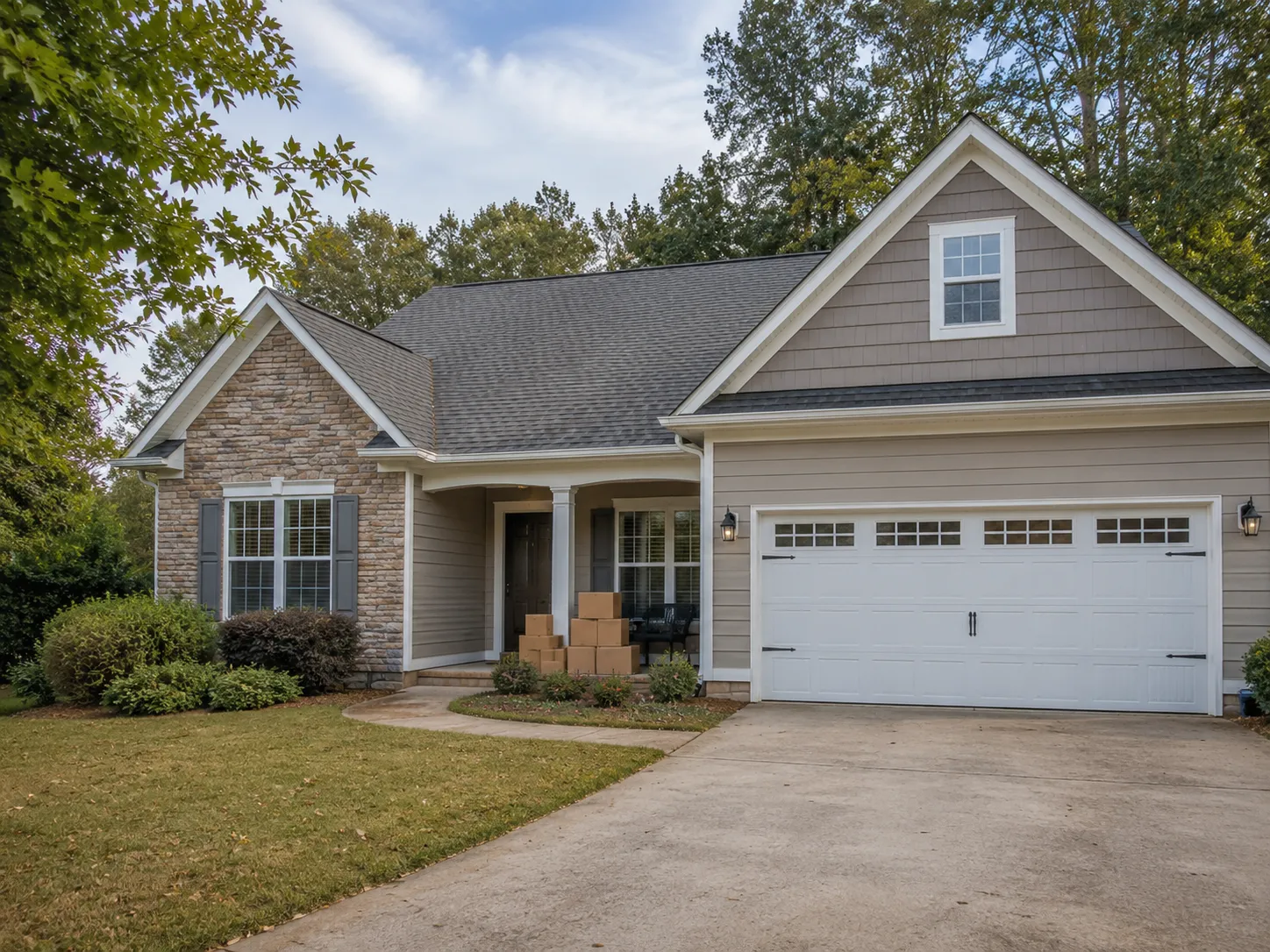
Divorce Home Sale
Start With the House, the Ownership, and the Decision That Has to Be Made
A house can keep tying two people together after other parts of a separation have already changed. Mortgage payments continue, one spouse may still live there, repairs may be unfinished, and both sides may have different ideas about whether to keep, list, or sell the property.
We can review the house as-is and give you a direct offer to compare with a traditional sale. Barrington Home Buyers can evaluate the property itself, while your attorneys, court orders, settlement documents, and closing professionals determine who has authority to sell and how the proceeds should be handled.
Resolve the Real Estate Questions Separately From the Divorce Questions
A buyer can determine what a house is worth to them, but the buyer does not decide who owns a marital interest, who must consent to the sale, or how the money is divided between spouses. Those are separate legal and financial questions. Keeping the two issues separate can make it easier to compare selling options without treating an offer as a substitute for divorce advice.
Who Is on Title?
The deed is important for the sale, but it may not answer every divorce question about the house. If there is uncertainty about ownership or marital property rights, ask your divorce attorney before signing a contract.
What Does the Agreement or Court Order Require?
A settlement agreement, temporary order, or final decree may affect sale timing, possession, signing authority, or what happens to the net proceeds. Those documents should be reviewed before promising terms to a buyer.
What Will Be Paid at Closing?
The sale price is not the same as the amount left to divide. Mortgage payoff, liens, taxes, and other transaction-specific charges can affect the net proceeds available after closing.
Who Is Handling Access and Move-Out?
If one spouse still occupies the property, decide how buyer access, belongings, utilities, keys, and possession at closing will be coordinated before those details create another dispute.
Do Not Assume the Deed Tells the Whole Story
Georgia divorce materials distinguish marital property from separate property, and a house can be part of the property division in a divorce case. That means record title is an important real estate document, but it does not by itself answer every question about how the property or its equity may be treated between spouses.
A home owned before marriage, received by gift or inheritance, improved with marital funds, refinanced, or paid down during the marriage can raise questions that should be handled by a qualified Georgia divorce attorney. We can evaluate the house and make an offer, but we do not determine marital versus separate property or advise either spouse about what share they should receive.
Sell House During Divorce Without Agreeing on Every Repair First
Repairs often create a second negotiation inside the larger divorce. One person may want to renovate before listing, while the other may not want to put more money into a shared property. Even a basic project can raise questions about contractor selection, access, cost, timing, and whether the improvement will actually increase the net proceeds enough to justify the work.
Selling directly gives both parties an as-is number to compare before anyone commits to a renovation. We can review outdated kitchens, old roofs, water damage, deferred maintenance, cleanup needs, or other condition problems without requiring those projects to be completed before the offer.
If repairs are a major part of the decision, our major repairs information explains how to compare repairing first with selling the property as-is.

Sale Price and Divorce Proceeds Are Two Different Numbers
A purchase offer answers what a buyer is willing to pay for the property. It does not decide how the remaining money should be divided between spouses. Before comparing offers, it helps to understand the mortgage balance, any liens, taxes or other amounts that may be paid through closing, and whether the divorce agreement or court order gives instructions for the net proceeds.
Before the Sale
Know the Current Debt
Get a current mortgage payoff estimate and identify any known liens or other property-related obligations. Equity should be evaluated from the likely net proceeds, not from a Zestimate or asking price alone.
At Closing
Follow the Closing Statement
The closing professional can show what is being paid from the transaction and what remains. If the divorce documents require a specific distribution, the sale should be coordinated around those instructions.
Between the Spouses
Do Not Let the Buyer Decide the Split
A buyer should not be asked to determine which spouse deserves what share. That allocation belongs in the settlement, court order, or other legal instructions governing the divorce.
What if One Spouse Still Lives in the House?
Occupancy does not automatically prevent a sale, but it does affect how the property can be shown, inspected, and delivered at closing. One spouse may need more time to move, personal property may still be divided, or the person who moved out may have limited access to the house. Those practical details should be discussed before a sale contract creates deadlines neither side is ready to meet.
A direct sale can reduce the number of showings and repair appointments that need to be coordinated, but it does not override anyone’s legal rights or a court order. If possession of the home is disputed, get legal guidance before agreeing to a move-out date or closing condition.
Selling the House Does Not Have to Resolve Every Divorce Issue
The goal of the real estate transaction is narrower. The house needs a buyer, clear title, authorized signatures, and closing instructions that can be followed. Child custody, support, alimony, marital-property claims, and other divorce matters belong with the court and the parties’ legal advisors.
That separation can be useful when the property itself is the part everyone agrees should be sold. We can focus on evaluating the house and the as-is offer while the legal professionals handle the divorce terms.
Sell A Divorce Home in Athens, GA and Northeast Georgia
If you need to sell a divorce home in Athens, GA, start with the practical facts about the property: title, mortgage balance, occupancy, repairs, and any divorce document that affects the sale. We can review the house as-is and give both parties an offer to compare without requiring a renovation or public listing first.
We also work with homeowners who need to sell a divorce home in Braselton, GA and Watkinsville, GA. In either market, the useful starting point is the same: confirm who can approve the sale, understand the property condition and debt, and compare the likely net result before choosing a selling method.
Other Northeast Georgia markets we serve include Bogart, Winder, Auburn, Gainesville, Buford, Jefferson, and Commerce. Review our areas served for the current market list.
What a Direct Offer Can and Cannot Solve
What It Can Simplify
A direct offer can give both parties a specific as-is number without first choosing repairs, preparing for repeated showings, staging the property, or waiting to see how a financed retail buyer reacts to the house.
That may be useful when the property needs work, one spouse has moved out, the house is vacant, or neither person wants another months-long project tied to the home.
What It Does Not Decide
A cash offer does not determine who owns a marital interest, whether a spouse must sign, how sale proceeds are divided, whether a court must approve something, or whether selling is the best legal or tax choice for either person.
Those questions belong with your attorneys, tax professionals, and closing professionals. We stay on the buyer side of the transaction and focus on the property and offer.
How Our Cash Offer Process Works for a Divorce Home
Our home buying process gives you a direct-sale option that can be reviewed alongside a traditional listing or another plan for the house.
Step One
Share the Property Details
Tell us the address, condition, occupancy, known repairs, and anything about timing that affects when the property could realistically be sold.
Step Two
Confirm Who Is Involved
Let us know whether both spouses are participating in the sale discussion and whether attorneys, court orders, or settlement documents affect the property.
Step Three
Compare the As-Is Offer
Review the direct offer against the expected repairs, listing expenses, holding costs, and likely net result of the other selling options you are considering.
Step Four
Coordinate Closing if You Accept
The sale can move into closing preparation once the people with authority to sell agree and the title and divorce-related instructions affecting the transaction are clear.
Compare the House Sale Before You Commit to the Listing Route
Listing may make sense when both parties agree on repairs, presentation, access, pricing, and the time they are willing to keep carrying the property. A direct sale can be worth comparing when those extra decisions are exactly what the owners want to avoid.
Call (706) 705-7703 or send us the property information online to have us review the house in its current condition. You can compare the offer without asking us to act as your divorce attorney, decide the property split, or interpret the court’s orders.